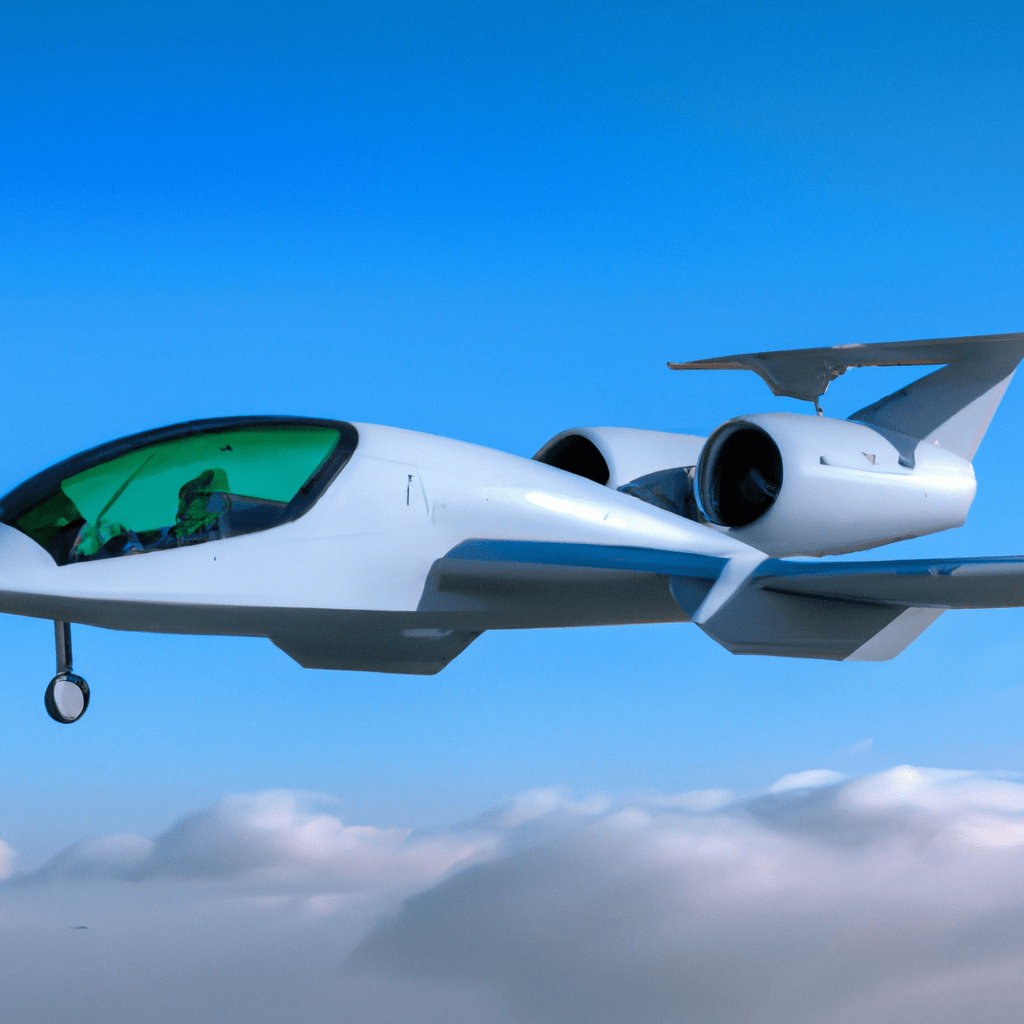
“Future flight” in the UK refers to the significant transformations the aviation industry will undergo by 2050. These changes will impact how we travel and significantly influence our social fabric, affecting how we live, work, and interact.

In technological advancements, concepts like electric and hydrogen-powered aircraft, autonomous flying vehicles, and increased use of drones for commercial purposes will revolutionise the skies. But beyond the nuts and bolts, the social impact these innovations will bring is just as noteworthy.
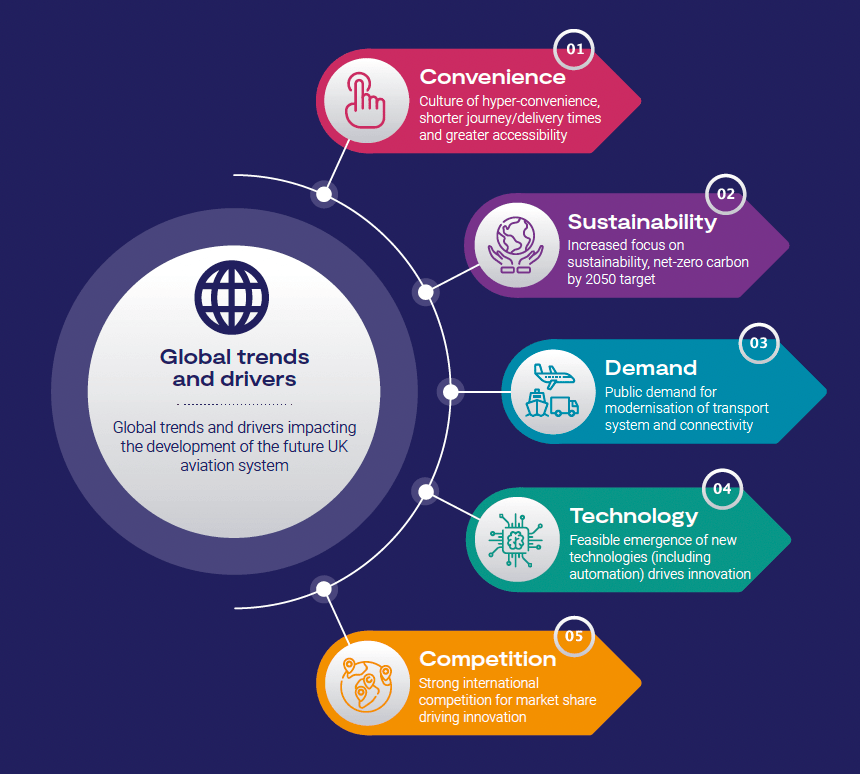
A critical aspect of this transition is the shift towards greener, more sustainable flight solutions. By 2050, most flights in the UK are expected to be powered by clean energy sources, reducing carbon emissions dramatically. This will help mitigate climate change and significantly contribute to global sustainability goals. From a social perspective, this means a cleaner and healthier environment, which can improve public health and quality of life.
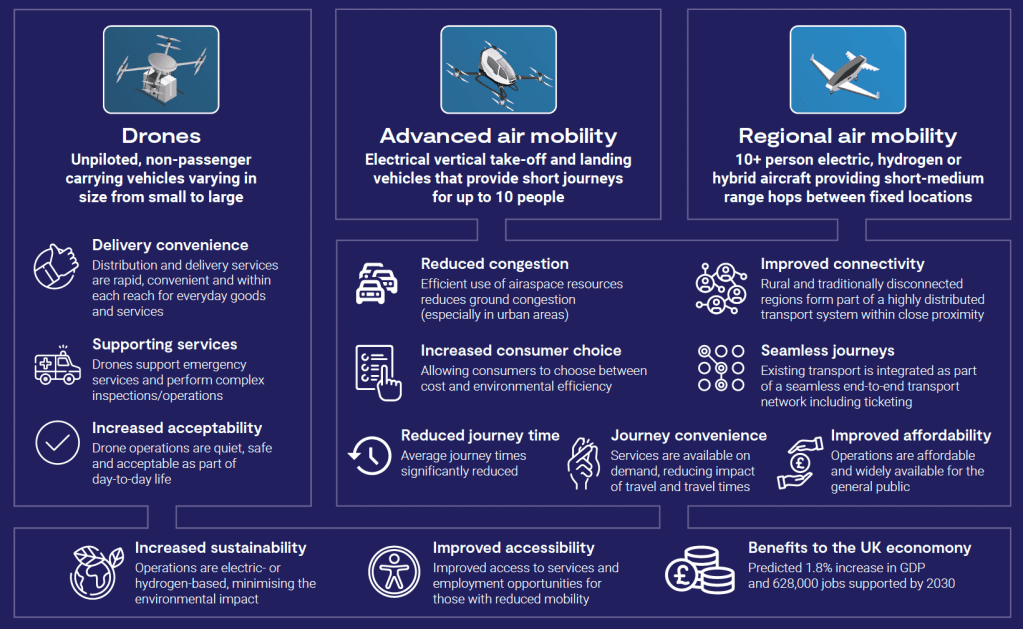
Moreover, the mass adoption of autonomous and personal air vehicles can reshape our urban landscapes and social patterns. With increased air mobility, traditionally remote areas could become more accessible, bridging the divide between urban and rural living. This connectivity could invigorate communities in remote regions by improving access to job opportunities, healthcare services, and other amenities.
Similarly, the widespread use of drones is anticipated to transform several sectors, from healthcare to e-commerce. Drones could provide quick deliveries, assist in search and rescue missions, and even provide medical supplies to hard-to-reach locations. These applications enhance the effectiveness of these sectors and impact the social fabric by enabling more efficient and inclusive services.
However, it’s essential to recognise that this future flight era will bring challenges. Job roles within the aviation industry will change, and new skills will be demanded. While this can lead to exciting opportunities, it also brings the risk of job displacement. Ensuring the workforce is adequately prepared for this change will require social policies and educational reforms.
Moreover, aviation’s increasing autonomy and digitisation raise concerns about privacy and security. Balancing the benefits of these new technologies with the need to protect individuals’ rights and ensure safety will be a significant social issue.

Overall, the “future flight” concept in the UK goes beyond technical advancements. It paints a picture of a more connected, sustainable, and dynamic society. It’s a society where technology enhances our lives but poses new challenges that we must navigate carefully. It’s not just about how we will fly but how we will live.
Images from: UKRI (2021). Future flight vision and roadmap. Available at: https://www.ukri.org/publications/future-flight-vision-and-roadmap/
 CoFFEE
Leave a comment